Tracing Funding Speed to Strategic Wins: How Payment Choices Shape Tactics in Portable Table and Slot Play
Written by Amir Zimmermann · May 17, 2026
Tracing Funding Speed to Strategic Wins: How Payment Choices Shape Tactics in Portable Table and Slot Play
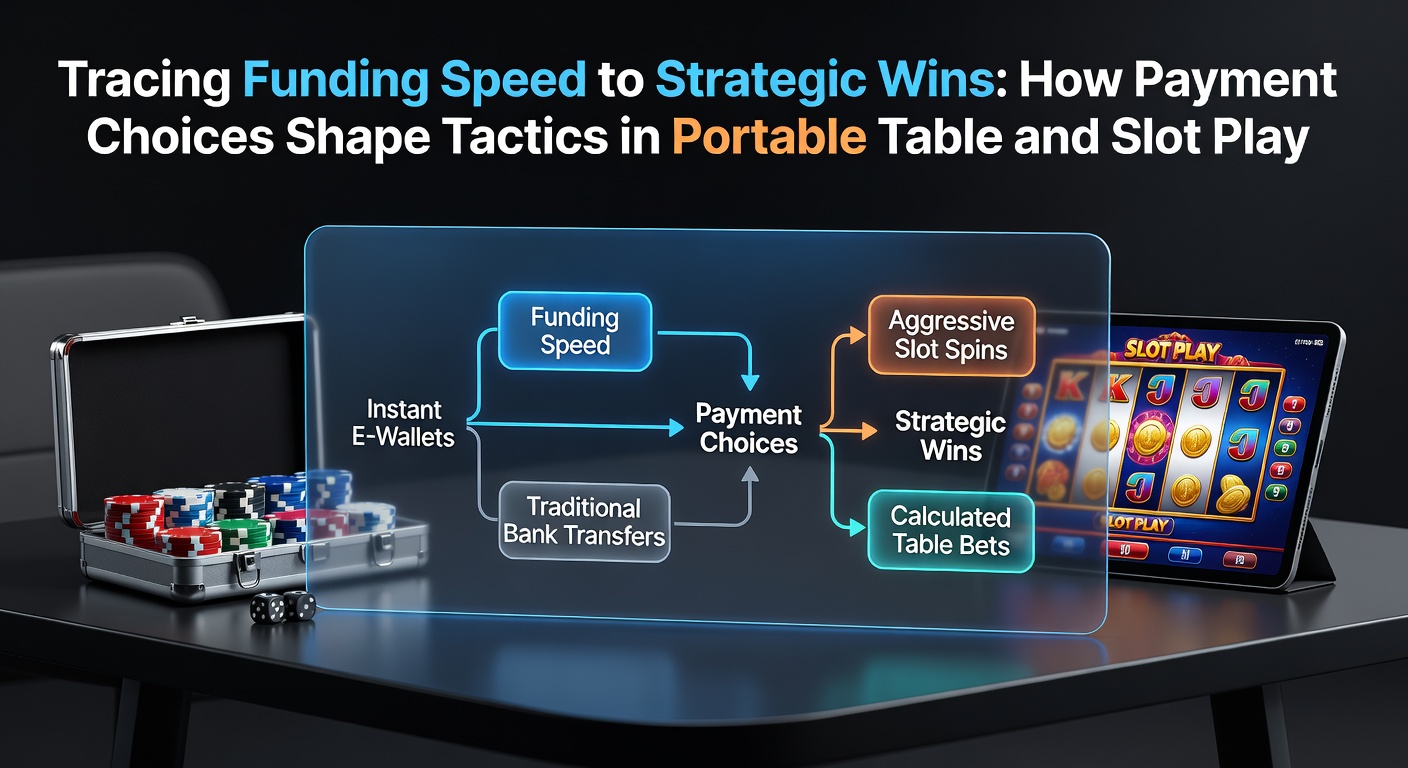
Payment processing times have become a defining factor in how players approach mobile slots and table games, with faster funding methods enabling quicker adjustments to bankroll management and session pacing. Observers note that the interval between initiating a deposit and seeing funds available directly influences decisions such as when to enter a live dealer blackjack table or chase a progressive jackpot on a portable slot machine. Data from recent industry analyses reveal that transaction speeds vary widely across methods, creating distinct tactical pathways for users who rely on smartphones and tablets for their play.
Payment Methods and Their Processing Realities
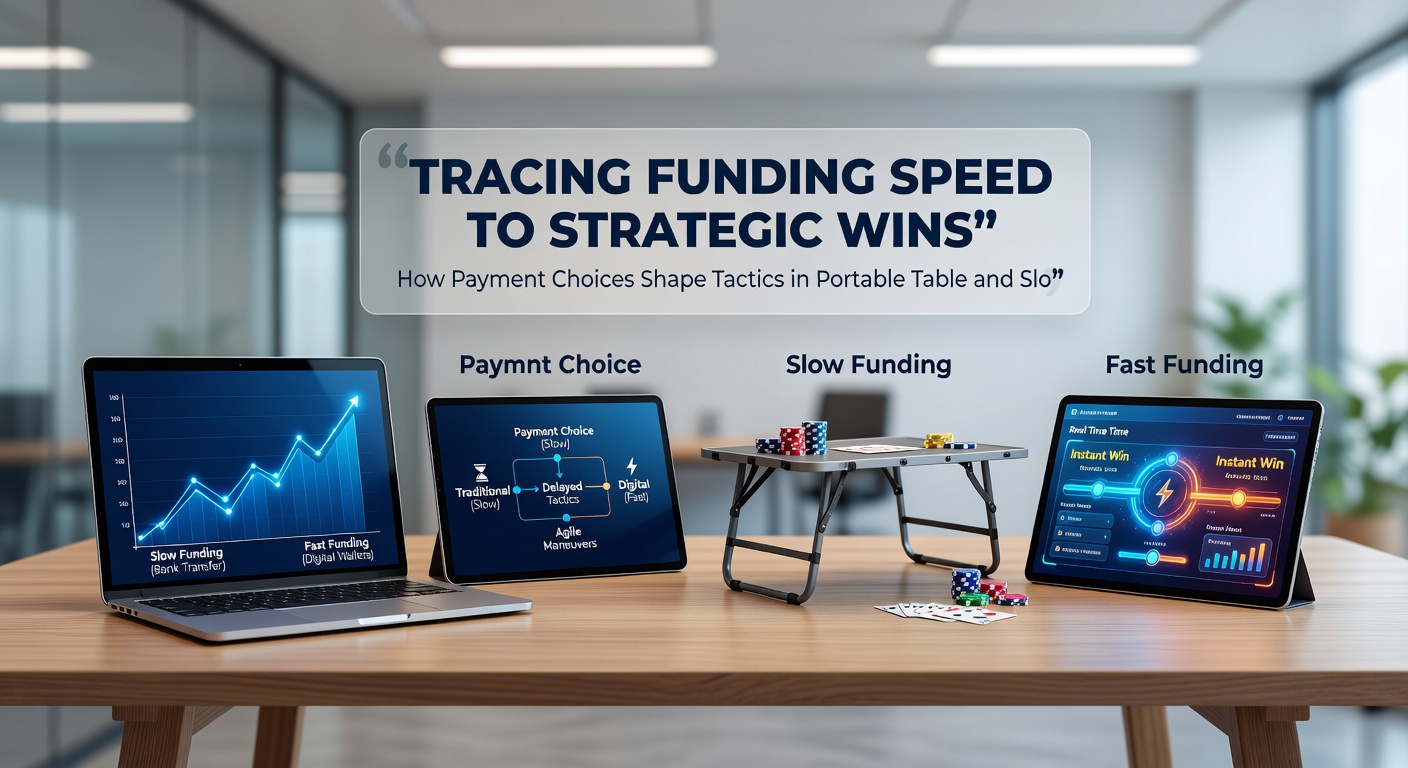
Credit and debit card transactions often require several minutes to hours for authorization in mobile casino environments, whereas e-wallet services complete transfers in under a minute for most users. Bank wire options extend this timeline further, sometimes stretching into one or two business days, which forces players to plan deposits well ahead of intended sessions. Cryptocurrency transfers, by contrast, settle almost instantaneously on compatible networks, allowing immediate access to game lobbies without waiting periods. These differences matter because portable play frequently occurs in short bursts during commutes or breaks, where delays can disrupt momentum and force alternative strategies.
Studies conducted by research teams at institutions focused on digital entertainment economics show that players using instant methods tend to maintain more fluid bankroll allocation across multiple games within a single mobile session. For instance, someone who tops up via an e-wallet can switch from a video slot to a roulette table without pausing to verify balances or await confirmations, whereas slower methods require pre-session funding that locks capital into one primary activity.
How Speed Influences Slot and Table Tactics
In slot play, rapid funding supports responsive tactics such as adjusting bet sizes mid-session when bonus rounds appear or when volatility patterns shift. Players who select quicker options often engage in shorter, more frequent deposit cycles that align with mobile data usage patterns, enabling them to exit and re-enter games without losing promotional eligibility tied to continuous activity. Table game participants face parallel considerations, particularly in live dealer formats where real-time decisions hinge on available funds for doubling down or placing side bets.
One documented pattern involves users monitoring withdrawal speeds as well, since methods that return winnings quickly allow reinvestment into new mobile sessions the same day. Reports compiled by the American Gaming Association indicate rising adoption of integrated wallet solutions in regulated markets, correlating with higher session frequency among players who value uninterrupted access. This trend gained additional attention in early 2026 as several operators expanded support for near-instant payout rails ahead of summer regulatory reviews.
Regional Data and Emerging Patterns in 2026
Figures released by the New Jersey Division of Gaming Enforcement highlight that mobile transactions processed through faster channels accounted for a growing share of total handle during the first quarter of the year, with particular strength in slots and blackjack categories. Observers tracking these metrics point out that the ability to move funds between personal accounts and game wallets within minutes supports more granular risk management, such as setting strict loss limits per device session and replenishing only after predefined milestones. In contrast, reliance on traditional banking rails tends to encourage larger, less frequent deposits that lock players into extended play windows.
Academic examinations of player behavior, including work from gaming studies programs at the University of Nevada, Las Vegas, have mapped connections between deposit latency and game selection. Researchers found that participants facing longer waits often gravitate toward lower-volatility slots or table minimums they can sustain without mid-session top-ups. Those with access to rapid methods demonstrate greater willingness to test higher-stakes portable table variants, since they retain the option to exit quickly if conditions change.
Strategic Adjustments Across Game Types
Portable slot enthusiasts frequently combine instant funding with bonus hunting tactics, depositing small increments to meet wagering requirements tied to time-sensitive promotions. Table game players apply similar logic when managing progressive betting systems, replenishing chips only after confirming favorable table dynamics through live streams. Both approaches rely on the underlying payment infrastructure to minimize downtime between decisions.
Operators have responded by embedding payment selectors directly into mobile lobbies, surfacing estimated arrival times alongside each option. This visibility helps users calibrate their tactics in advance, whether they prefer the security of established cards for larger planned sessions or the agility of digital wallets for spontaneous entries. Data aggregated across multiple jurisdictions shows consistent correlation between these interface features and sustained engagement levels through the spring months leading into May 2026.
Conclusion
Payment velocity continues to reshape tactical options available to mobile casino participants, linking deposit and withdrawal timelines to concrete choices in slots and table games. Faster rails support reactive bankroll moves and multi-game sequencing, while slower alternatives encourage advance planning and steadier pacing. As transaction technologies evolve, the interplay between funding speed and in-game decisions remains a measurable driver of how portable play unfolds across different user segments and regulatory environments.