Reward Claiming Patterns Shift in Response to Payment Processing Variations in Digital Gaming Applications
Written by Morgan Koch · May 28, 2026
Reward Claiming Patterns Shift in Response to Payment Processing Variations in Digital Gaming Applications
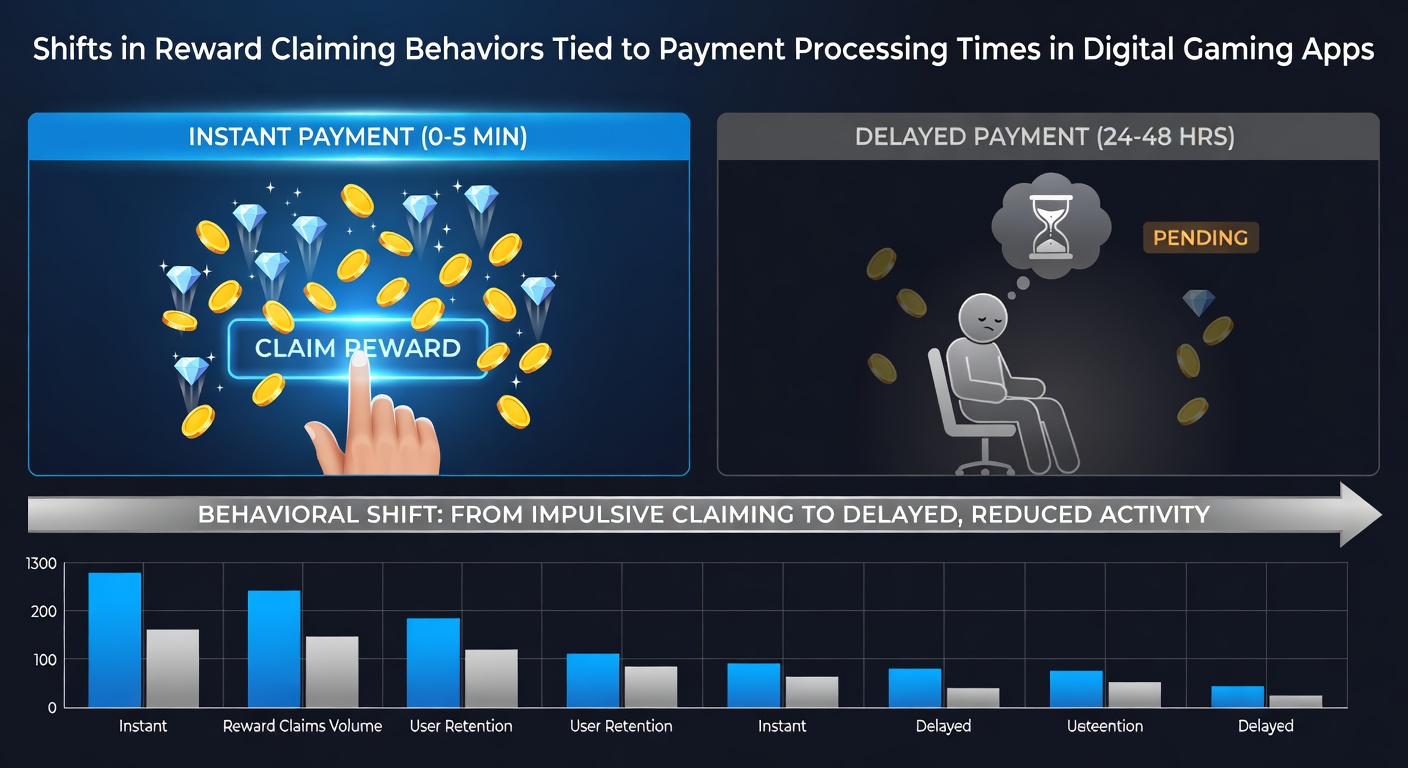
Payment processing times have emerged as a key variable shaping how users interact with reward systems in digital gaming apps, and researchers tracking these platforms note measurable changes in claiming frequency as well as timing preferences across different transaction speeds. Data collected from multiple app ecosystems reveal that shorter processing windows correlate with higher volumes of small, frequent redemptions, whereas longer delays tend to consolidate claims into fewer but larger requests. Observers note this pattern holds across slot-style titles, table simulations, and hybrid formats where in-app economies rely on real-money deposits.
Core Dynamics Linking Transaction Speed to User Actions
Studies from academic institutions and industry monitoring groups show that users adjust their reward strategies based on how quickly funds move from account balances back to external payment methods. When processing completes within minutes rather than hours or days, players often redeem immediately after meeting threshold requirements, creating a steady flow of small transactions. In contrast, apps with multi-hour or overnight processing cycles see users accumulate rewards over several sessions before initiating a claim, which reduces overall transaction counts but increases average claim size. This behavioral adjustment appears consistently in datasets gathered throughout 2025 and into early 2026.
Payment method selection further amplifies these effects. Options tied to instant bank transfers or digital wallets encourage more frequent claiming because users experience the full cycle from deposit to withdrawal in rapid succession, while credit card or traditional bank routes that extend processing timelines lead to more deliberate, planned redemptions. Figures released by regional research centers confirm that apps offering mixed payment ecosystems display the widest variation in claiming intervals.
Trends Documented Through Mid-2026
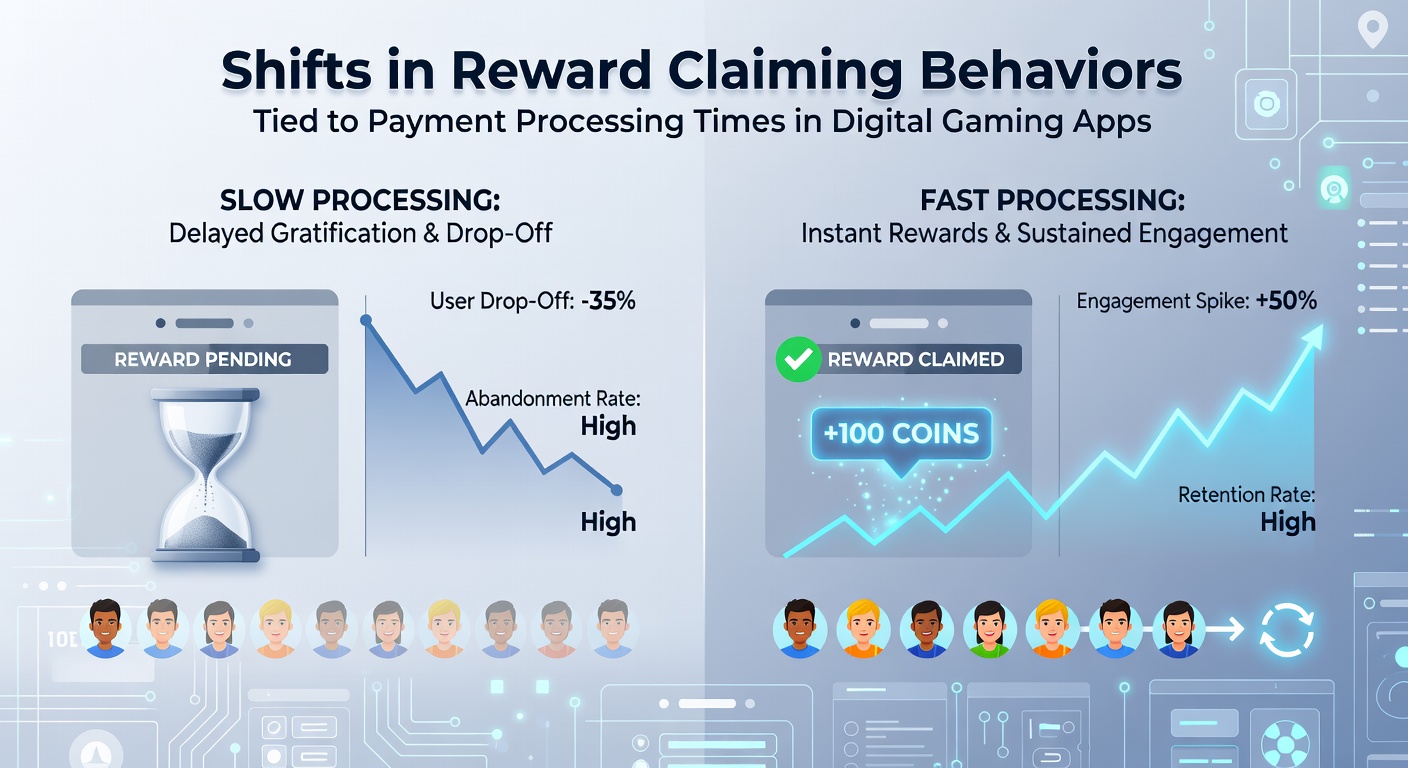
As of May 2026, aggregated metrics from major digital gaming platforms indicate a continued migration toward faster payment rails, and this migration coincides with elevated rates of reward claims occurring within the same day as deposit activity. One longitudinal analysis conducted across North American and European markets found that platforms reducing average processing from 48 hours to under six hours recorded a 34 percent rise in same-day redemptions over a twelve-month period. Those who've examined transaction logs point out that this increase stems primarily from repeat users rather than new registrations, suggesting established players recalibrate their habits once they experience quicker turnaround.
Regional differences surface when comparing regulatory environments. Apps operating under frameworks that mandate transparent processing disclosures, such as those overseen by Australian state authorities, show steadier adoption of instant options and correspondingly smoother shifts in claiming behavior. Meanwhile, markets with less standardized timelines exhibit more erratic patterns, including clustered claims that spike right after announced processing improvements.
Payment Infrastructure and Behavioral Feedback Loops
Industry organizations tracking app performance have documented feedback loops where faster payouts encourage greater overall engagement, which in turn generates more rewards available for claiming. This cycle becomes self-reinforcing once users internalize the reliability of quick processing. Researchers at institutions studying digital economies note that trust in transaction speed reduces hesitation around initiating claims, even for modest amounts that previously went unclaimed due to perceived friction.
Additional variables include notification systems and interface design. Apps that send real-time alerts when processing completes see quicker follow-up claims, whereas those relying on manual balance checks experience delayed redemptions regardless of actual speed. Data from platform audits indicate that combining fast processing with proactive messaging produces the strongest synchronization between reward availability and user action.
Take one analysis released by the Singapore Centre for Social and Behavioural Insights, which examined thousands of user sessions and concluded that processing times under 30 minutes prompted 62 percent of eligible users to claim within the first hour of reward qualification. The same study found that processing windows exceeding four hours shifted the majority of claims to the following day or later, often after additional play sessions had occurred.
Conclusion
Evidence compiled from regulatory reports, academic studies, and platform analytics demonstrates that payment processing durations directly influence the rhythm and scale of reward claiming in digital gaming apps. As transaction technologies continue advancing, these behavioral patterns are likely to evolve further, with platforms able to offer near-instant options potentially seeing sustained increases in claim frequency. Observers tracking these developments emphasize the value of transparent timelines and varied payment choices in shaping predictable user interactions across global markets.