Mobile Screen Arrangements Directing Player Selections Between Reel Spins and Live Dealer Sessions in Promotional Windows
Written by Wendy Walter · Aug 18, 2026
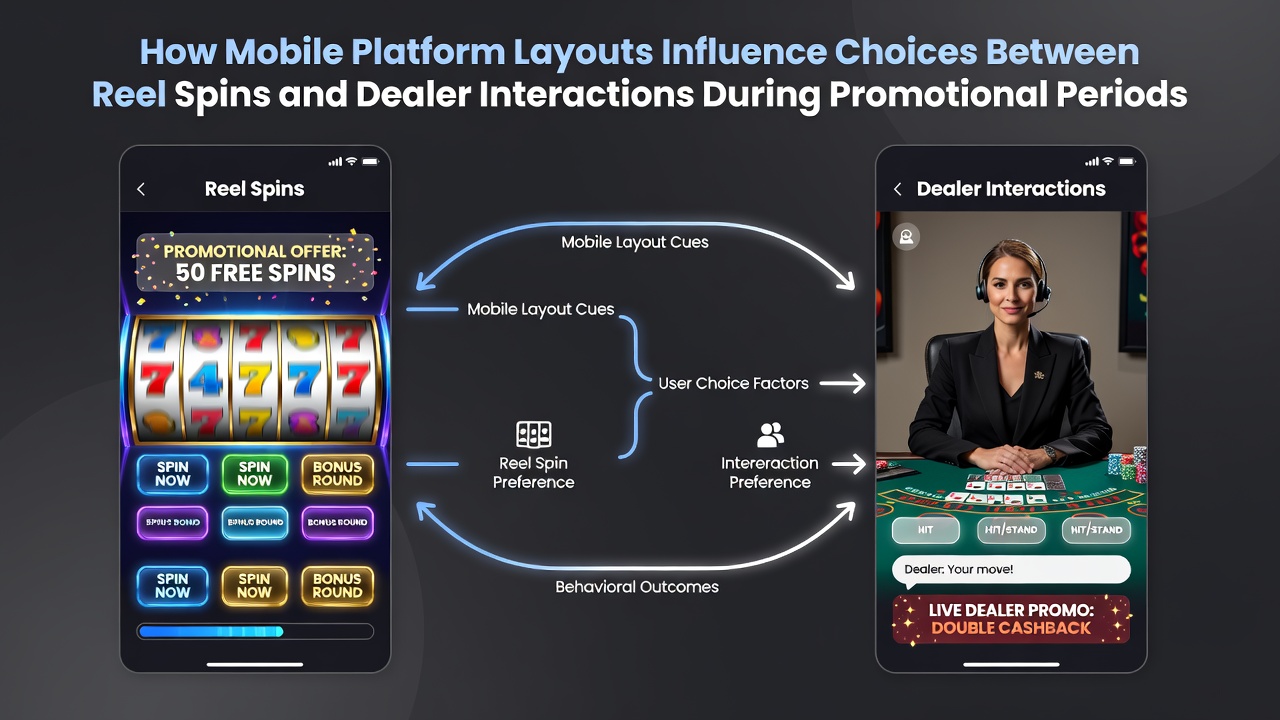
Mobile Screen Arrangements Directing Player Selections Between Reel Spins and Live Dealer Sessions in Promotional Windows
Platform layouts on mobile devices shape how users navigate between reel-based games and live dealer tables especially when promotions run in August 2026, with data from multiple markets indicating clear shifts in engagement patterns tied to button placement, navigation flows, and screen real estate allocation.
Operators arrange primary call-to-action elements in ways that either cluster slot icons near the top of the viewport or position live dealer thumbnails along the bottom navigation bar, and those structural choices correlate with measurable differences in session starts according to analytics tracked across several jurisdictions.
Navigation Bar Configurations and Initial Selection Patterns
Bottom-fixed navigation bars that feature prominent live dealer tabs tend to see higher initial taps into table games during bonus activation windows, whereas layouts that highlight a central reel lobby direct more traffic toward slot titles in the first minutes of a promotional session. Researchers tracking user paths in regulated markets note that thumb-reach zones on standard smartphone screens favor elements placed within the lower third of the display, which explains why some platforms report elevated dealer interaction rates when those options occupy that space.
Scrolling behavior changes depending on whether promotional banners collapse into a persistent header or expand into a full-width carousel, and operators who tested both formats in controlled rollouts observed that persistent headers kept users oriented toward the reel grid longer before any dealer option appeared.
Button Size, Color Contrast, and Promotional Prompt Timing
High-contrast buttons sized above standard touch targets accelerate selections toward whichever category they represent, so a large green “Claim Free Spins” control placed above the fold increases reel starts while a similarly sized “Join Live Tables” control boosts dealer entries during the same campaign period. Color coding further reinforces these patterns, with warm tones applied to slot prompts and cooler palettes used for dealer rooms producing distinct distribution curves in click data collected through August 2026.
Timing of these prompts matters as well, since interstitial messages that appear immediately after deposit confirmation steer choices more strongly than delayed notifications that arrive after the first game round has already begun.
Content Density and Cross-Format Switching Rates
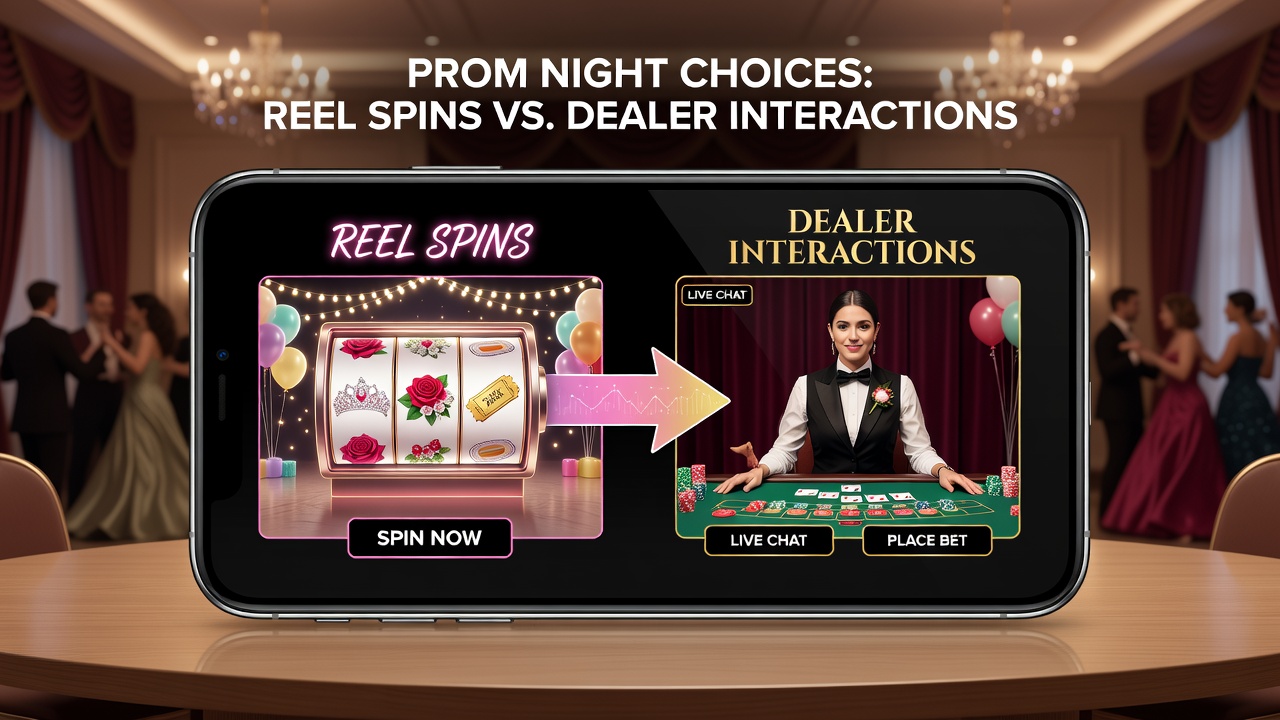
Dense layouts that pack multiple game categories into a single scrollable feed show lower switching rates between reels and dealers compared with modular designs that separate the two experiences behind distinct tabs, and studies from North American regulatory filings indicate that players maintain longer streaks within one format when the alternative remains hidden behind an extra tap. Conversely, platforms employing swipeable carousels that surface both options in quick succession record more frequent alternations, particularly when bonus funds apply equally across categories.
One analysis of session logs from operators in multiple regions found that users exposed to split-screen previews completed 18 percent more cross-format transitions during promotional windows than those navigating single-format home screens.
Regional Regulatory Influences on Layout Standards
Guidelines issued by the New Jersey Division of Gaming Enforcement and similar bodies in other jurisdictions require clear separation of promotional messaging from game entry points, which has prompted some platforms to adopt standardized spacing rules that indirectly affect how quickly users reach reel versus dealer options. In Australia, the Interactive Gambling Act compliance frameworks similarly shape how bonus timers and remaining balance indicators display, often resulting in more compact layouts that keep both game types visible without excessive scrolling.
Operators adjust these elements to meet local standards while still optimizing for the traffic patterns observed in each market, leading to regional variations in the balance between reel and dealer engagement during identical promotional campaigns.
Device Orientation and Adaptive Layout Responses
Portrait mode remains the default for most sessions, yet landscape orientation triggers reflows that reposition dealer video feeds more prominently on certain devices, and data collected through mid-2026 shows corresponding upticks in table game starts when users rotate their phones during active promotions. Adaptive systems that detect orientation changes and surface context-appropriate controls therefore influence format selection more than static designs that ignore device posture.
Those who study mobile gaming metrics note that such responsive adjustments can shift the ratio of reel to dealer play by double-digit percentages within the same user cohort across different times of day.
Conclusion
Screen arrangements on mobile platforms function as silent directors of player behavior during promotional periods, with button placement, navigation hierarchy, color signaling, and adaptive responses each contributing measurable effects on whether reels or live dealer tables receive initial and sustained attention. Observers tracking these dynamics across regulated markets continue to document how small structural decisions accumulate into larger patterns of format preference throughout August 2026 and beyond.