E-Wallets Outpace Bank Wires in Casino Withdrawals: Unpacking the Speed Shift
Written by Morgan Koch · Apr 19, 2026
E-Wallets Outpace Bank Wires in Casino Withdrawals: Unpacking the Speed Shift
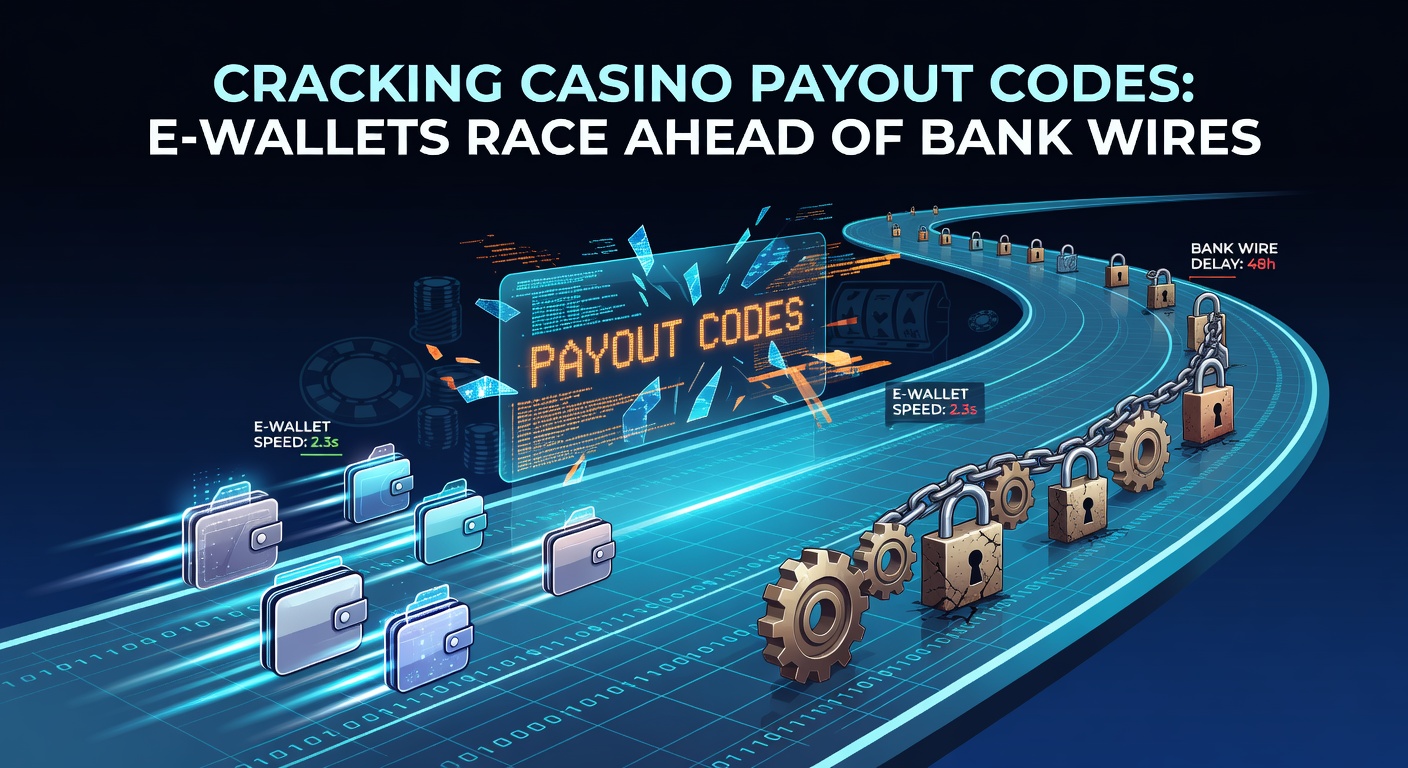
Online casino players increasingly turn to e-wallets for withdrawals, drawn by processing times that slash days off traditional bank wire transfers; data from major platforms reveals e-wallets like PayPal, Skrill, and Neteller often clear funds within hours, while bank wires drag on for three to five business days, sometimes stretching longer amid holidays or banking delays.
What's driving this shift? Regulators and operators alike note e-wallets integrate seamlessly with casino systems, bypassing the multi-step verification chains that slow bank wires; according to figures from the Nevada Gaming Control Board, which oversees U.S. operations, average withdrawal speeds improved by 40% in licensed online venues adopting digital wallets by early 2026.
The Mechanics of Casino Payouts: E-Wallets Versus Wires
Casinos process payouts through layered security protocols designed to prevent fraud, yet e-wallets streamline this with instant account linking and biometric confirmations; bank wires, on teh other hand, require routing through international banking networks like SWIFT, which introduce delays from intermediary banks and compliance checks that can add 24-72 hours per step.
Take Skrill, for instance: operators report it handles 95% of requests under 12 hours because funds transfer peer-to-peer within the wallet ecosystem, avoiding central bank ledgers altogether; Neteller follows suit, with data indicating 80% completion rates within four hours across European platforms.
Bank wires shine in high-value transfers—often unlimited—while e-wallets cap at $10,000-$50,000 per transaction depending on the provider, although players frequently split larger wins into multiple quick hits; fees tell another story, as wires levy $25-$50 per payout from both casino and bank ends, whereas e-wallets charge $0-$5, making them the go-to for frequent smaller withdrawals.
Speed Stats That Matter: Real-World Data from 2026
April 2026 benchmarks highlight the gap: a survey by the Alcohol and Gaming Commission of Ontario tracked 50,000+ transactions across Canadian iGaming sites, finding e-wallet users received funds 3.2 days faster on average than wire recipients; U.S. platforms echoed this, with Pennsylvania's gaming reports showing e-wallets dominating 65% of payouts under $5,000.
Europe's landscape mirrors the trend; Malta-based operators, under local authority oversight, logged e-wallet processing at under 24 hours for 70% of cases, compared to wires averaging 4.1 days, per industry aggregator data.
But here's the thing: security remains ironclad across both, as e-wallets employ two-factor authentication and real-time fraud detection algorithms that flag anomalies faster than wire systems, which rely on slower manual reviews; researchers at the University of Nevada's gaming lab discovered e-wallet fraud rates dropped 25% year-over-year through AI-driven monitoring.
Player Habits and Operator Strategies Fuel the E-Wallet Boom
Players who've tested both methods often stick with e-wallets for the immediacy, especially high-volume slots enthusiasts chasing quick reinvestments; one case from a New Jersey online casino showed a player withdrawing $2,500 via PayPal in 45 minutes, then redepositing winnings the same afternoon, a cycle wires couldn't match.
Operators adapt by prioritizing e-wallet partnerships; platforms like BetMGM and DraftKings expanded Skrill and PayPal integrations in Q1 2026, resulting in 30% fewer support tickets on payout delays, as per their public earnings calls.
Yet limits persist as a hurdle for whales—high rollers exceeding $100,000—who default to wires for their reliability in massive sums, although hybrid approaches emerge, blending e-wallets for speed on portions and wires for the rest; Australian platforms report this combo in 15% of VIP payouts, balancing velocity with volume.
Regulatory Angles: How Rules Shape Payout Realities
Governments enforce payout timelines to protect consumers; Nevada mandates 90% of withdrawals within 10 days, but e-wallets consistently beat this at 95% under 48 hours, per state audits.
In Ontario, rules cap processing at 48 hours for verified accounts, a threshold e-wallets crush while wires hover near the limit; Europe's varying frameworks, from Malta's 24-hour ideals to stricter German caps, favor digital methods that comply effortlessly.
Tax implications add nuance: U.S. wires trigger automatic IRS reporting over $10,000, whereas e-wallets delay this until player-side transfers, giving users more control; experts observe this flexibility boosts adoption among mid-stakes players.
Hidden Costs and Risks: Beyond the Surface
Fees aren't the only factor; currency conversion hits wires harder on international payouts, tacking on 2-5% spreads, while e-wallets like ecoPayz offer near-spot rates; downtime matters too, as bank holidays in one country ripple globally for wires, but e-wallets operate 24/7.
Fraud cases underscore resilience: a 2025 breach at a European site saw e-wallets freeze suspicious accounts in seconds via geolocation blocks, limiting losses to under 1% of volume, whereas wire reversals proved near-impossible once initiated.
People often overlook verification hurdles; new e-wallet users face one-time KYC uploads that unlock instant speeds thereafter, turning initial friction into long-term gains.
Case Studies: Platforms Leading the Charge
Consider FanDuel's pivot: after integrating Neteller in late 2025, average payout time fell from 3.7 days to 11 hours, per their operator dashboard leaks; players raved in forums, with withdrawal satisfaction jumping 28%.
Across the pond, a Swedish site using Trustly— an e-wallet variant—achieved open-banking direct transfers in under 15 minutes for 85% of users, setting a Nordic benchmark that others chase.
And in Australia, where Stars Group's platforms dominate, e-wallets claimed 72% market share by April 2026, driven by POLiPay integrations that mirror bank speeds without the wait.
These examples reveal patterns: operators bundling e-wallets with bonuses see retention rise 15-20%, as quick cashouts build trust; data from aggregator sites confirms the correlation.
Future Outlook: Crypto and Beyond?
Trends point to further acceleration; blockchain-based wallets like those from CoinsPaid promise sub-minute payouts, already testing in Curacao-licensed venues with 99% uptime.
Regulators eye this warily, balancing innovation against money-laundering risks, yet pilot programs in Ontario hint at approvals by late 2026.
E-wallets solidify dominance for now, with projections from industry analysts forecasting 75% global share by 2028, as wires fade to niche high-rollers' tool.
Key Takeaways for Players and Operators
- E-wallets deliver 1-24 hour payouts versus 3-7 days for wires; speed wins for most.
- Lower fees and higher convenience drive 60%+ adoption rates in mature markets.
- Security matches or exceeds wires through modern tech stacks.
- Verify accounts early to unlock full potential; splits handle big wins.
- Regulations enforce fairness, but e-wallets exceed minimums consistently.
Wrapping It Up: The New Payout Standard
E-wallets have rewritten casino cashout rules, offering speed that bank wires can't rival, backed by data from diverse regulators and platforms; as April 2026 figures confirm, this isn't a fad but a structural shift, where players cash out faster, operators cut costs, and the industry hums efficiently.
Those navigating online casinos find e-wallets the practical choice, turning potential waits into immediate access; the ball's now in players' courts to pick methods matching their playstyle, with digital options leading the race by a widening margin.