Cryptocurrency Volatility and Bonus Tier Adjustments in Reel and Table Game Platforms
Written by Morgan Koch · Aug 20, 2026
Cryptocurrency Volatility and Bonus Tier Adjustments in Reel and Table Game Platforms
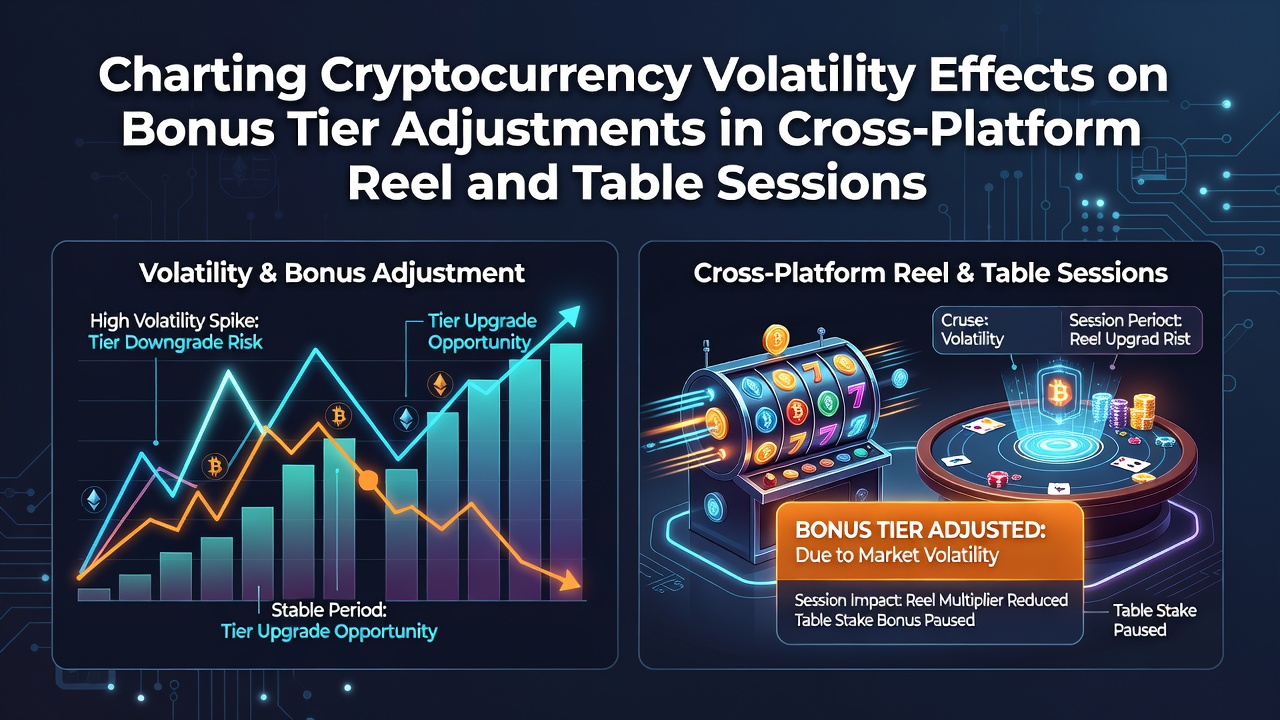
Cryptocurrency price movements create direct ripple effects on bonus structures that operators maintain for reel sessions and table formats across mobile and desktop environments, and data from mid-2026 illustrates how these shifts prompt recalibrations in reward thresholds. Players who fund accounts with digital assets experience balance changes that influence deposit volumes, which in turn determine eligibility for tiered promotions such as match bonuses, free spin packages, and cashback percentages. Research indicates that operators monitor wallet valuations in real time to maintain consistent reward frameworks even when asset values swing sharply.
Market Movements and Deposit Patterns
Bitcoin and Ethereum price changes recorded throughout 2026 altered the average deposit sizes that players used to unlock higher bonus tiers, and figures from that period show a correlation between downward volatility and reduced qualifying deposits on both slot and live dealer platforms. When asset values declined, participants often maintained the same nominal amounts in local currency terms, which pushed many accounts below previous tier thresholds. Observers note that platforms responded by recalibrating the minimum deposit requirements for silver, gold, and platinum levels to preserve player engagement across reel and table formats.
Cross-platform play adds another layer because mobile users frequently switch between short reel sessions and extended table game rounds, and the same volatility affects both styles of activity. Data shows that players who split time between slots and blackjack or roulette saw their cumulative play volumes translated into bonus eligibility differently once crypto holdings lost value. Operators adjusted the weighting formulas that convert wager amounts into tier points to account for these fluctuations without disrupting the overall loyalty progression.
Operator Responses in August 2026
During August 2026 several platforms introduced temporary bonus multipliers tied to stablecoin deposits after major cryptocurrencies experienced renewed swings, and this approach allowed operators to stabilize tier advancement for users who preferred digital assets. Those adjustments appeared most frequently in cross-platform environments where reel and table sessions shared unified loyalty ledgers. Evidence suggests the changes helped maintain consistent redemption rates for free spins and table game credits even as underlying asset prices moved.
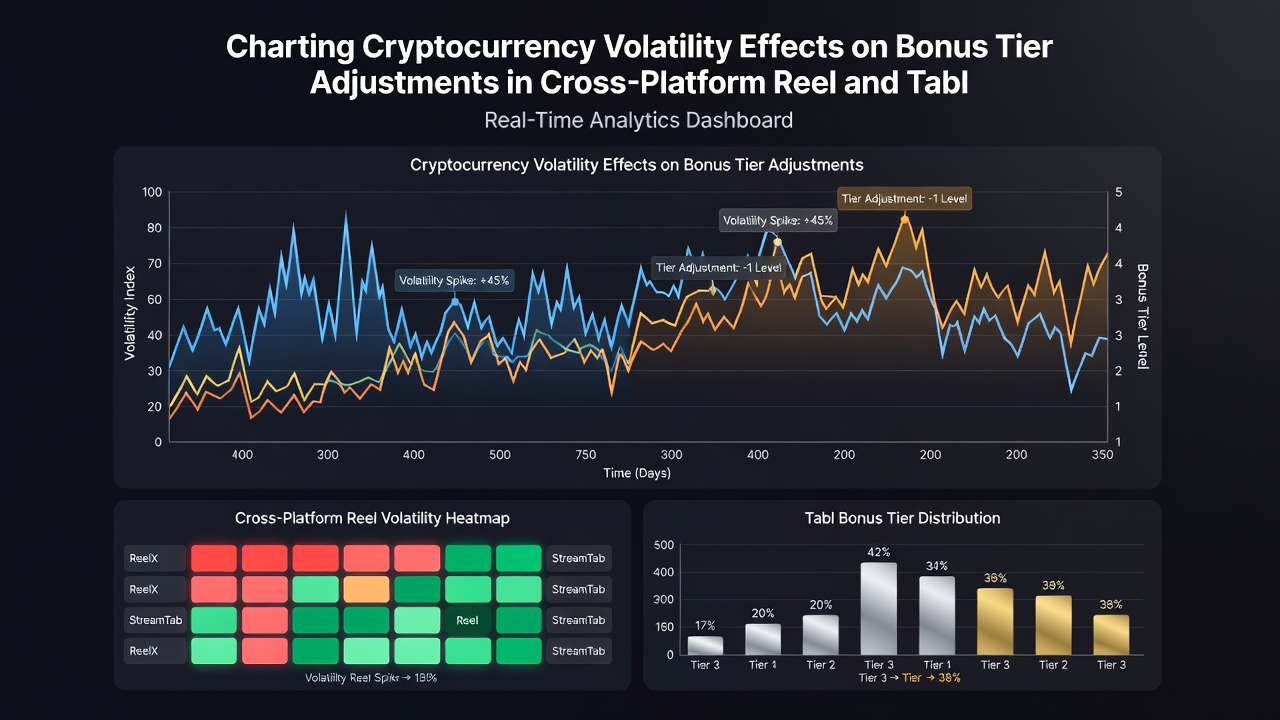
Regulatory filings from the Nevada Gaming Control Board highlight how operators tracked crypto-denominated play separately from fiat activity, creating segmented bonus pools that responded to market conditions. Similar patterns emerged in other jurisdictions where digital asset use remained prominent. Platforms that integrated real-time price oracles into their backend systems gained the ability to apply dynamic tier adjustments without manual intervention, and this automation proved especially useful during periods of rapid price movement.
Player Behavior Across Reel and Table Formats
Participants who alternated between reel games and table sessions demonstrated distinct responses to volatility, with many shifting wager sizes to protect their progress toward the next bonus tier. Data from platform analytics reveals that table game players tended to reduce bet amounts more quickly than slot users when crypto values dropped, because table minimums often sit higher. Reel sessions allowed smaller incremental bets that still accumulated the required playthrough for bonus unlocks.
Payment method choices further shaped outcomes because players who converted crypto to stablecoins before depositing encountered fewer tier disruptions. Those who kept holdings in volatile assets faced more frequent recalibrations of their bonus eligibility. Research from the iGaming Ontario system indicates that operators in regulated markets began offering volatility buffers, such as extended qualification windows, to prevent sudden drops in player tier status during market dips.
Technical Integration and Future Adjustments
Backend systems now incorporate price feeds that update bonus tier calculations at the close of each gaming session, and this integration covers both reel and table environments on mobile and desktop clients. Developers implemented logic that converts crypto balances into equivalent fiat values at the moment of deposit, then applies tier rules consistently regardless of asset performance afterward. Such measures reduce the need for retroactive corrections while preserving the integrity of loyalty programs.
Analysts continue to examine how these mechanisms perform during extended volatility periods, and early findings point to improved retention when platforms communicate tier adjustments transparently to users. Cross-platform consistency remains a priority because players expect their progress in reel sessions to align with advancements earned at table games.
Conclusion
Cryptocurrency volatility continues to influence bonus tier structures in measurable ways across reel and table game platforms, and operators have adopted technical and policy responses that address deposit fluctuations while maintaining player progression. Data collected through 2026 demonstrates that real-time valuation tools, segmented bonus pools, and flexible qualification periods help stabilize reward systems. These adaptations support consistent engagement whether participants focus on slots, live dealer tables, or a combination of both across mobile and desktop environments.