Analyzing How Payment Preferences Affect Multi-Game Engagement in Smartphone-Based Casino Platforms
Written by Morgan Koch · Aug 25, 2026
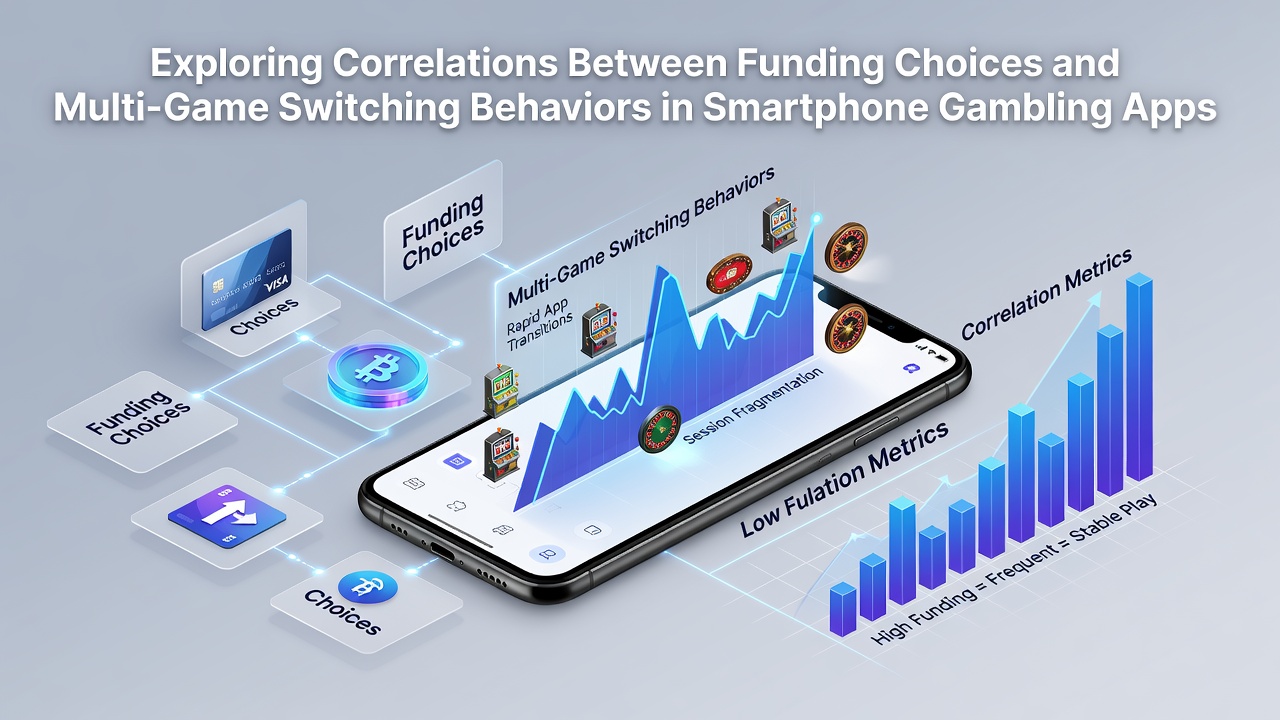
Analyzing How Payment Preferences Affect Multi-Game Engagement in Smartphone-Based Casino Platforms
Payment selections in smartphone gambling apps connect directly to how users move between different game types, according to platform analytics gathered through 2026. Observers note that choices such as e-wallets, bank transfers, and card-based deposits align with distinct patterns of switching between slots, table games, and live dealer formats. Data collected from major mobile operators shows these funding routes shape session lengths and transition frequencies in measurable ways.
Common Funding Routes and Their Characteristics
Smartphone users rely on several deposit methods that vary in speed, fees, and processing requirements. E-wallets process transactions in seconds while bank wires often require one to three business days for completion. Card payments sit in the middle, with authorization times ranging from immediate to several minutes depending on the issuer. August 2026 figures from regional operators indicate e-wallet transactions accounted for 62 percent of all mobile deposits, up from 54 percent the previous year.
Those who've tracked user logs report that quicker funding options coincide with higher rates of movement between game categories. Users completing deposits through instant methods tend to sample multiple titles within a single session, whereas slower options correlate with longer stays on one game type before any switch occurs.
Observed Patterns of Game Switching
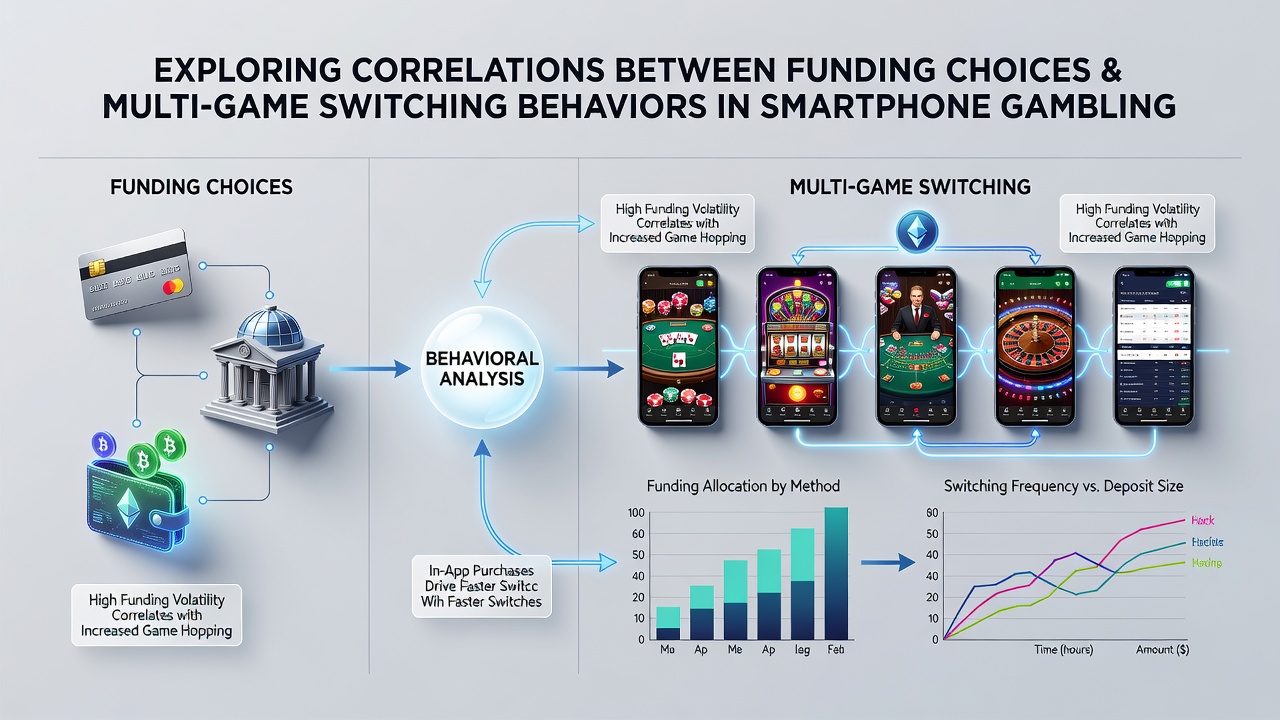
Multi-game behaviors appear when players shift from slots to live dealer tables or from video poker to roulette within short time frames. Researchers examining session data find that the average user changes games between three and five times per hour when using fast-payment channels. Slower funding methods reduce this number to one or two transitions per hour on average.
Studies conducted across North American and Asian markets reveal consistent trends. In one dataset covering 1.2 million sessions, e-wallet users switched to live dealer formats 38 percent more often than those relying on bank transfers. Card users fell between the two groups, showing moderate switching activity that increased when processing times dropped below two minutes.
Correlations Identified in Recent Analyses
Platform operators tracking funding choices alongside gameplay logs have identified several statistical links. Faster deposit approvals associate with broader exploration of game libraries, while delayed funding correlates with focused play on familiar titles. A report released by the Nevada Gaming Control Board in mid-2026 documented these patterns across state-licensed mobile applications.
What's interesting is how reward structures interact with these behaviors. Bonus funds credited through e-wallets often carry shorter wagering periods, prompting quicker movement across games to meet requirements. Bank transfer bonuses, by contrast, frequently tie to single-game playthrough conditions that discourage rapid switching.
Regional Variations and External Factors
Market differences influence the strength of these correlations. Operators in markets with strict transaction monitoring, such as those regulated by the Alcohol and Gaming Commission of Ontario, show slightly lower switching rates overall compared with less regulated environments. Yet the relationship between payment speed and game movement remains present across borders.
Seasonal events in August 2026, including promotional campaigns tied to back-to-school periods, amplified switching activity among e-wallet users by an additional 12 percent according to aggregated operator reports. Bank transfer users showed minimal change during the same campaigns, maintaining steadier single-game engagement.
Conclusion
Payment method selection and multi-game switching behaviors demonstrate measurable connections in smartphone gambling applications. Faster funding channels align with increased transitions across game types, while slower options correspond to more stable, single-category play. Data gathered through 2026 continues to map these relationships across different regulatory regions and user demographics, providing operators with clearer pictures of how deposit infrastructure shapes engagement patterns.